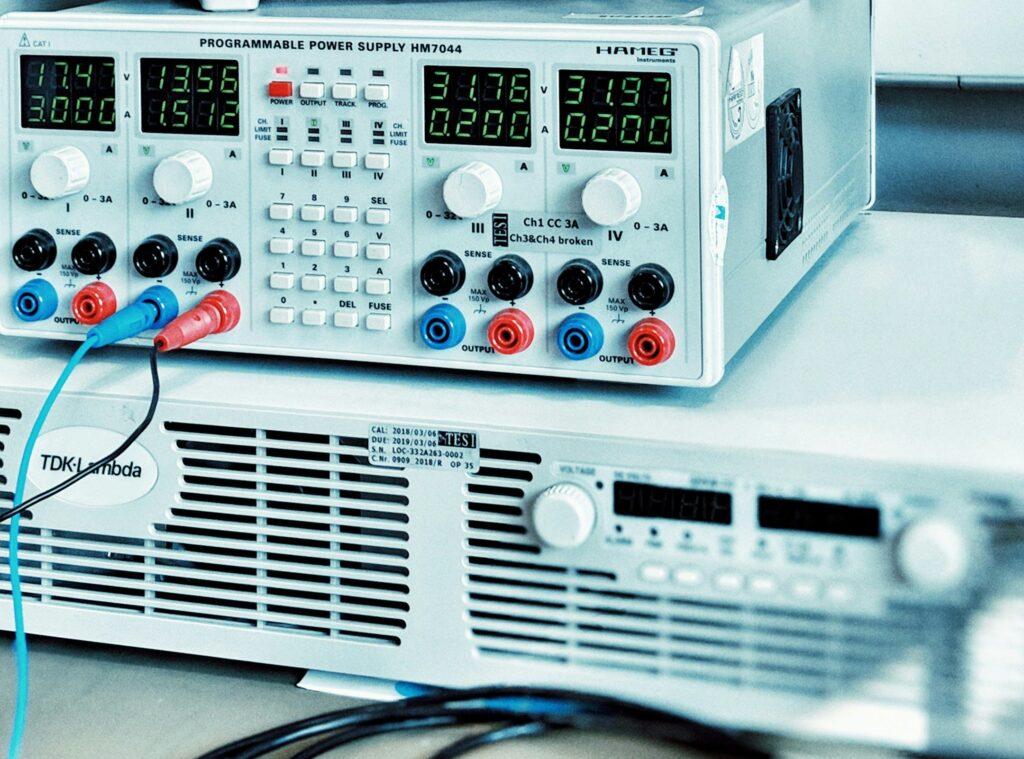
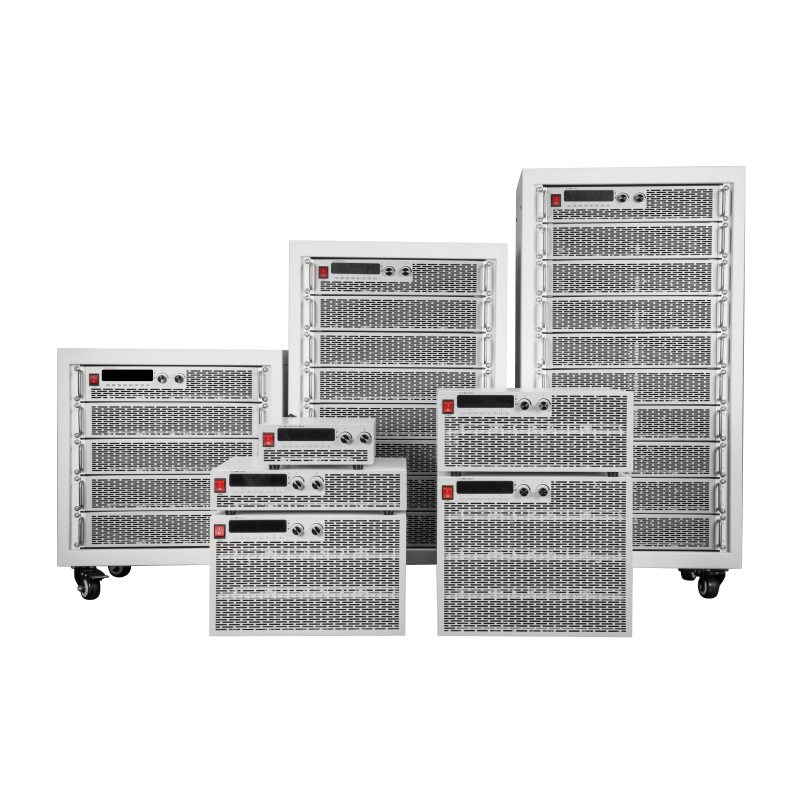
A voltage-stabilized DC power supply is the heartbeat of any electronics lab, industrial automation system, or research facility. Its primary role is simple yet critical: converting fluctuating AC mains power into a rock-solid, regulated DC output.
However, selecting the right unit involves more than just matching voltage and current. To ensure the safety of your components and the accuracy of your results, you must look deeper into the technical specifications. Here are the essential factors to consider when making your choice.
1. Output Voltage and Current Range
The most fundamental requirement is the Output Range.
- Fixed vs. Variable: Fixed supplies are great for specific industrial tasks, but for R&D and testing, a Variable (Adjustable) power supply is essential.
- Total Power ($P = V \times I$): Ensure the supply can handle the peak power consumption of your load. It is common practice to select a power supply that provides at least 20-30% more current than your maximum expected load to prevent overheating and stress.
2. Line Regulation and Load Regulation
These specs define how “stable” the stabilization actually is.
- Line Regulation: This measures the change in output voltage resulting from a change in the input (AC) voltage. A high-quality supply will maintain a steady output even if the building’s power fluctuates.
- Load Regulation: This measures how much the output voltage varies when the load changes (e.g., from zero current to full current). In sensitive circuits, even a small drop in voltage during high load can cause malfunctions.
3. Ripple and Noise
DC power supplies are never perfectly “flat.” They contain small AC components called Ripple (from the AC input) and Noise (from internal switching).
- Linear Power Supplies offer extremely low ripple and noise, making them ideal for high-fidelity audio or sensitive medical sensors.
- Switching Power Supplies are more efficient and compact but generally have higher noise levels.
Pro Tip: For precision electronics, look for a ripple specification of <1mV RMS.
4. Transient Response Time
When a load is suddenly applied or removed, the output voltage momentarily dips or spikes. The Transient Response Time is the time it takes for the power supply to return to its set voltage.
In high-speed digital testing or telecommunications, a slow response time can lead to data errors or “brown-outs” within the device under test.
5. Protection Features
A power supply should protect not only itself but also your expensive equipment. Essential protections include:
- OVP (Over-Voltage Protection): Shuts down the output if the voltage exceeds a set limit.
- OCP (Over-Current Protection): Prevents the supply from delivering too much current, which could burn out your circuit.
- OTP (Over-Temperature Protection): Safely powers down the unit if internal heat reaches critical levels.
6. Efficiency and Cooling
In industrial environments, efficiency is key to reducing operational costs and heat generation.
- Switching supplies are typically 80% to 95% efficient.
- Cooling: Consider whether the unit uses Fan Cooling (can be loud) or Natural Convection (silent, but usually for lower-power units).
Conclusion
Selecting the right voltage-stabilized DC power supply requires a balance between precision and power. For sensitive R&D work, prioritize low ripple and high regulation. For industrial applications, focus on efficiency and robust protection features.
By understanding these specifications, you ensure that your equipment receives the clean, stable power it needs for peak performance and longevity.